Hult Prize, Part Two: Ashridge House and the Data Bank
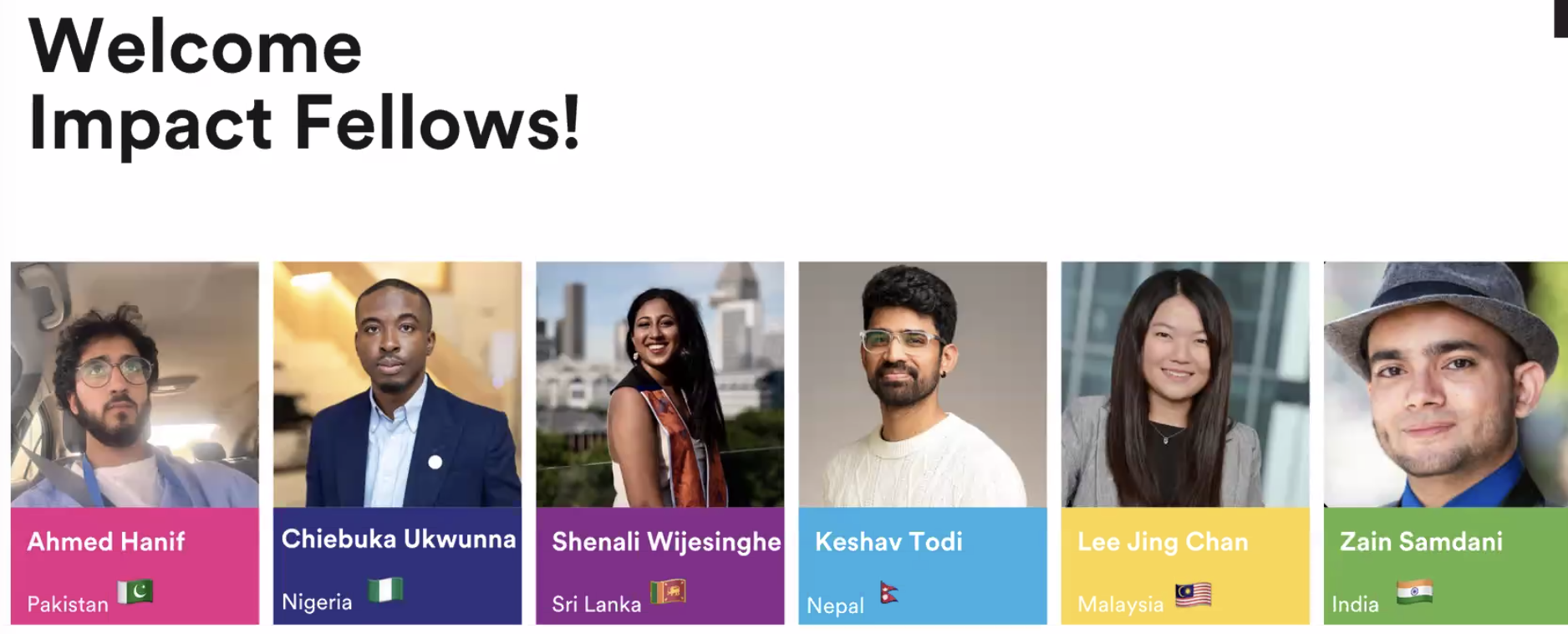
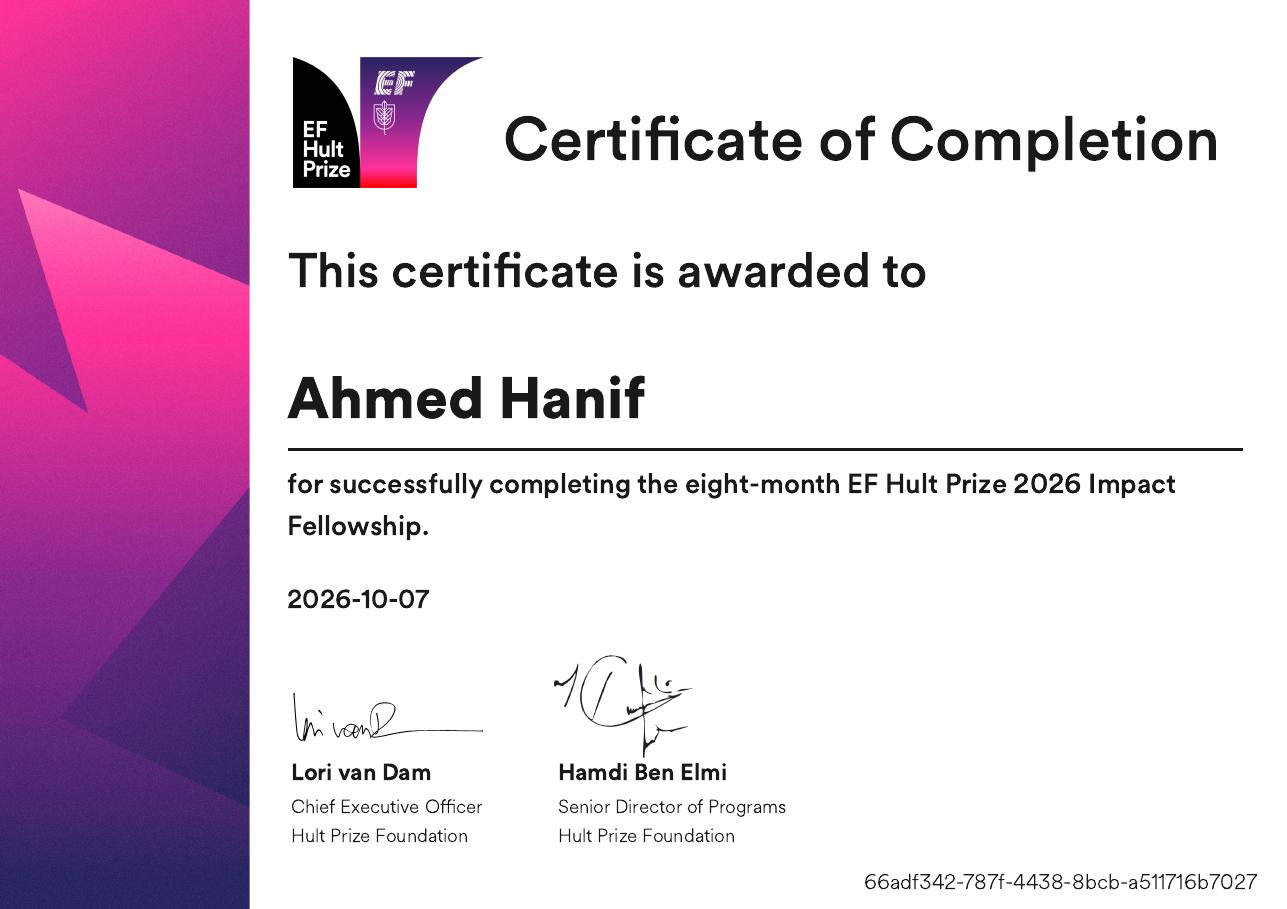
In June I wrote about the first four months of the Hult Prize Impact Fellowship: reviewing applications, interviewing national-stage teams, and building dashboards and tools. This is the second half. The fellowship ended on 7 October, eight months after it started.
Ashridge House
From 13 August to 5 September I was at Ashridge House in the UK for the Hult Prize Global Accelerator, as part of the due diligence team.
Due diligence sounds formal, but the job is simple to describe. Each startup uploads documents: legal proof, how their technology works, financial statements, business plans. You read all of it and write down what the startup is claiming. Some claims are about today, like how many users they have. Some are about the future, like where they will be next year. Then you test them. You check the numbers against the documents, you poke at the assumptions behind the projections, and you sit down with the founders and ask them to walk you through it. If what they say matches what they wrote, good. If it does not, that is what the report is for.
I focused on health-tech startups and on technology companies, including cloud products. I also drafted the first version of the Hult Prize impact report. It is written as a script, so the foundation can record a video from it.
Incubator interviews
Back in Doha, the programme moved into its incubator stage. I interviewed around ten startups, with due diligence again part of the conversation. By this point I had read enough applications to know which questions separate a strong team from a polished deck.
The Data Bank
The biggest piece of work in the second half was something I called the Data Bank.
Hult Prize's work splits into three pillars: investment, education and community. The data for each lived in a different place. Accelerator applications were in one system, other records in Salesforce, feedback and surveys in Google Forms, and plenty in spreadsheets. Nobody could look at the whole year in one place.
So I gathered this year's data across all three pillars and wrote scripts that normalise each source into one format. The point of the normalisation step is that a new source can be added later without redoing everything. I also helped design the forms that measure the impact of the portfolio startups, so that next year's data arrives in a shape that already fits.
The result is one place where the foundation can see and understand its own impact, and keep extending it.
What I take from it
Eight months is long enough to see both sides of an accelerator: judging founders directly, and building the tools that let other people judge well. I am glad I got both. Thank you to Narisa Rojanamonthien and Lincoln Lee for the trust throughout.